Shopping Cart



How to Clean and Maintain G-Shock Mudmaster and Carbon Core Guard Watches
By :
F. Nagy -
Categories :
Watch Care & Technical Guides
Table of contents
keyboard_arrow_down
- Key Takeaways
- The Anatomy of Toughness: Carbon Core Guard and Mud Resist Construction
- Essential Cleaning Tools and Chemicals to Avoid
- Step-by-Step Guide to Cleaning Your Extreme Tool Watch
- Maintaining the Resin and Carbon Components
- Caring for the Gaskets and Water Resistance
- Solar Charging and Sensor Calibration Maintenance
- Protecting the Triple Sensor
- Calibrating for Precision
- Spotlight on the Ultimate Mudmaster Models
- Conclusion: Gear Up for Your Next Adventure
- References
Key Takeaways
- Understand the Architecture: The Carbon Core Guard and Mud Resist construction require specific care to maintain their shock-absorbing and debris-blocking capabilities.
- Avoid Harsh Chemicals: Solvents, acetone, and especially DEET-based insect repellents will permanently degrade and melt polyurethane resin and bio-based components.
- Protect the Sensors: Never insert sharp objects into the Triple Sensor port; the delicate hydrophobic membrane can be easily punctured, compromising water resistance.
- Maintain the Gaskets: Regular rinsing after saltwater exposure and professional O-ring inspections every 2–3 years are crucial for maintaining the 200-metre water resistance.
- Optimize Solar Charging: Keep your Tough Solar models charged via natural light, but avoid leaving them on scorching car dashboards to prevent LCD and resin damage.
When you strap a rugged timepiece to your wrist, you are making a statement about your lifestyle. For decades, the tactical and outdoor communities have relied on instruments that can survive the harshest environments on Earth. Among these, the modern iterations of the ultimate survival watches have evolved significantly, moving from simple polyurethane blocks to highly engineered instruments featuring advanced materials like forged carbon and bio-based resins. Owning one of these technological marvels is only the first step; understanding how to properly care for it ensures it will survive for generations.
The introduction of advanced case architectures has revolutionised the horological landscape of digital and analogue-digital tool watches. These timepieces are no longer just plastic beaters; they are sophisticated machines equipped with independent stepper motors, quartz oscillators protected by shock-absorbing gels, and micro-sensors that measure atmospheric pressure, temperature, and magnetic north. However, this increased complexity brings a new set of maintenance requirements. Mud, salt, sweat, and chemical exposure can slowly degrade even the toughest materials if left unchecked.
Whether you are navigating a dense jungle, traversing a desert, or simply tackling a demanding weekend project, your timepiece is exposed to elements that test its limits. This comprehensive guide delves into the exact horological and chemical science behind maintaining these extreme tool watches. By following these expert protocols, you will preserve the structural integrity, aesthetic appeal, and functional precision of your investment, ensuring it remains a reliable companion for every adventure ahead.
The Anatomy of Toughness: Carbon Core Guard and Mud Resist Construction
To properly maintain a high-performance tool watch, one must first understand its construction. The transition from traditional resin cases to the Carbon Core Guard structure represents a monumental leap in horological engineering. By integrating carbon fibre—a material prized in aerospace and motorsport for its exceptional strength-to-weight ratio—into the resin case, engineers created a housing that is thinner, lighter, and significantly more rigid. This internal monocoque protects the delicate quartz module and stepper motors from catastrophic impacts.
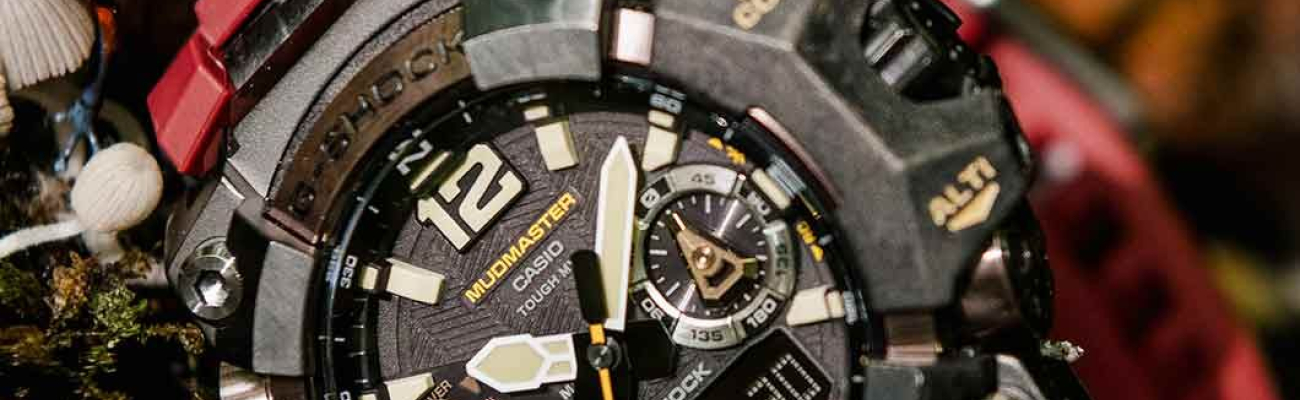
The lineage of mud-resistant watches dates back to the original Mudman series, which utilised a single-piece urethane cover over the buttons. While effective at blocking dirt, it made the buttons notoriously stiff to press. The modern iterations solved this by engineering a complex mechanical barrier. According to the official engineering specifications, the system relies on a highly specific design to keep debris at bay. As detailed in the official archives,
A cylindrical guard structure is adopted for all the buttons, and the cylindrical button shafts are fitted with gasket linings. This structure not only protects the buttons against intrusion by dust and mud, but it also helps to alleviate shocks.This means every time you press a button, multiple O-rings are sliding against a polished metal cylinder, requiring a clean environment to function without tearing.
Inside this impenetrable fortress sits the Tough Movement. This is not just a standard quartz circuit; it features auto-hand home position correction. If the watch sustains a massive shock that knocks the analogue hands out of alignment, the internal micro-motors detect the misalignment via LED sensors and automatically correct the hands at the 55th minute of the hour. Protecting this movement is Alpha Gel, a soft silicone-based material with superior vibration-absorption capabilities, ensuring that high-frequency vibrations from heavy machinery do not disrupt the quartz oscillator.
Furthermore, premium models like the Casio G-SHOCK Mudmaster GWG-2000-1A1ER Watch utilise a Forged Carbon bezel. Unlike woven carbon fibre, forged carbon is created by mixing chopped carbon fibres with liquid resin and pressing them under immense heat and pressure. This results in a unique, marbled appearance and multi-directional tensile strength. While incredibly tough, the microscopic surface texture of forged carbon can trap fine silt and clay, necessitating specific cleaning techniques to maintain its striking visual depth.
Essential Cleaning Tools and Chemicals to Avoid
When preparing to clean your timepiece, assembling the right tools is critical. You do not need expensive horological equipment, but you do need items that will not scratch the sapphire crystal or degrade the resin. The ideal cleaning kit consists of a soft-bristled toothbrush (a baby toothbrush is perfect), a microfibre cloth, lukewarm water, and a mild, pH-neutral dish soap. The soft bristles are essential for reaching into the deep crevices of the bezel and the cylindrical button guards without scratching the metal or carbon surfaces.
The dial protection on flagship models features a sapphire crystal with an anti-reflective coating. While sapphire is virtually scratch-proof, rating a 9 on the Mohs hardness scale just below diamond, the anti-reflective coating applied to the glass can be damaged by abrasive chemicals or rough scrubbing pads. Therefore, using a soft microfibre cloth is essential to maintain the flawless legibility of the dial.
Equally important is knowing what to avoid. The polyurethane and bio-based resin used in these watches are highly susceptible to certain chemical solvents. Acetone, paint thinners, and harsh industrial degreasers will cause the resin to swell, discolour, and eventually crumble. However, the most common and insidious threat to outdoor watches is DEET (N,N-Diethyl-meta-toluamide), the active ingredient in most heavy-duty insect repellents. DEET is a powerful plasticiser; if sprayed directly onto a resin watch, it will literally melt the surface, leaving permanent sticky blemishes and compromising the structural integrity of the strap.
If your watch is exposed to DEET, sunscreen, or gasoline, it must be rinsed immediately with copious amounts of fresh water. The official Casio Operation Guide explicitly warns against allowing the watch to come into contact with harsh chemicals, noting that such exposure can cause discolouration or damage to the resin case and band. Always apply bug spray and sunscreen before putting your watch on, and allow the chemicals to dry completely on your skin.
Step-by-Step Guide to Cleaning Your Extreme Tool Watch
After a grueling hike or a day in the mud, your watch requires a systematic cleaning process. The first step is the initial rinse. Do not immediately start scrubbing a mud-caked watch, as the abrasive particles of sand and silica can scratch the mineral or sapphire glass and the metal components. Instead, hold the watch under a gentle stream of lukewarm tap water. Allow the water to soften and wash away the bulk of the mud.
If the watch has been exposed to seawater, a different approach is required. Saltwater is highly corrosive. When seawater evaporates, it leaves behind sharp, microscopic salt crystals. If you press a button while these crystals are lodged in the cylindrical button shafts, they can act like sandpaper, micro-tearing the internal O-rings. Therefore, after ocean use, the watch must be soaked in a bowl of fresh, lukewarm water for at least 15 to 30 minutes to fully dissolve the salt before any buttons are pressed or brushing begins.
Once the loose debris is gone, prepare a small bowl of lukewarm water with a single drop of mild dish soap. Dip your soft-bristled toothbrush into the solution and gently agitate the surface of the watch. Pay special attention to the textured bands, which are designed to mimic heavy-duty equipment grips. These deep grooves are magnets for dead skin cells and dried sweat. For models like the Casio G-SHOCK Mudmaster GG-B100-1A3ER Watch, carefully brush around the sensor ports, but never force the bristles deep inside.
The final step is rinsing and drying. Rinse the watch thoroughly under fresh water until all soap residue is gone. To dry, use a clean microfibre cloth to pat the watch down. Never use a heat gun, hair dryer, or place the watch on a radiator to speed up the drying process. Extreme, localised heat can warp the resin, damage the internal LCD polarising film, and cause the lubricating grease on the internal O-rings to thin out and migrate, ruining the water resistance.
Maintaining the Resin and Carbon Components
Resin rot, scientifically known as hydrolysis, is the slow degradation of polyurethane polymers due to prolonged exposure to moisture, heat, and skin oils. Over several years, a neglected resin band will become brittle, crack, and eventually snap. To prevent this, regular cleaning is paramount. Removing the acidic sweat and sebum that accumulate on the inside of the strap significantly extends the life of the material. For watches utilising newer bio-based resin, the same rules apply; while they are more environmentally friendly, they still require basic hygiene to maintain their flexibility.
UV degradation is another factor to consider. While solar-powered watches need sunlight to function, there is a distinct difference between wearing a watch outdoors and leaving it to bake on a car dashboard. The intense, magnified heat of a car interior can easily exceed 60°C (140°F). At these temperatures, the resin can warp, and the liquid crystals in the digital display can be permanently damaged. When not on your wrist, store your timepiece in a cool, well-ventilated area that receives indirect natural light.
Storing the watch in a damp basement or a sealed plastic bag can trap moisture and accelerate hydrolysis. The ideal storage environment is a watch box with a glass top to allow ambient light for solar charging, kept in a climate-controlled room with moderate humidity. This ensures the resin breathes and the battery remains topped up.
For the carbon components, maintenance is relatively simple but requires attention to detail. The carbon fibre insert bands found on some premium models are incredibly resistant to tearing, but the clear resin coating over the carbon can become scuffed. A gentle polish with a microfibre cloth can restore some lustre, but deep scratches are permanent badges of honour. The forged carbon bezels require only a soft brush to remove dust from their textured surfaces, ensuring the unique marbled pattern remains visible and striking.
Caring for the Gaskets and Water Resistance
The 200-metre water resistance of these tactical timepieces is achieved through a precise system of rubber O-rings and gaskets. These microscopic barriers are seated around the case back, the crystal, and every single button shaft. Over time, the nitrile rubber or silicone used for these gaskets can dry out, flatten, or become brittle. Exposure to chlorinated pool water, hot soapy water in showers, and saltwater accelerates this ageing process.
To maintain optimal water resistance, it is highly recommended to have the gaskets inspected and re-lubricated with professional-grade silicone grease every two to three years. If you own a model that requires battery changes, such as the Casio G-SHOCK Mudmaster GG-B100XMH-5AER Watch, ensure that the case back gasket is replaced or properly greased by a certified horologist during every battery service. A dry gasket will pinch and tear when the case back is screwed down, instantly destroying the hermetic seal.
Furthermore, understand the physics of water pressure. While the Mud Resist construction is incredibly robust, pressing buttons underwater introduces dynamic pressure that can force moisture past the O-rings. Unless a watch is specifically designed as a dive computer with magnetic induction buttons, it is a universal horological best practice to avoid operating the pushers while submerged. Treat the water resistance as a shield against the elements, not an invitation to operate the watch like a submarine.
Temperature shocks also play a role in gasket health. Moving rapidly from a hot environment, like a sun-baked beach, into freezing water causes the metal and resin components to contract at different rates. This rapid thermal contraction can temporarily compromise the gasket seals, leading to condensation forming on the inside of the crystal. While a slight, temporary fogging that clears up quickly is normal, large water droplets indicate a failed gasket that requires immediate professional horological intervention.
Solar Charging and Sensor Calibration Maintenance
The integration of Tough Solar technology has virtually eliminated the need for regular battery changes, relying instead on a high-capacity rechargeable cell powered by microscopic solar panels integrated into the dial. However, this system requires proper charging habits. Allowing the battery to completely drain and remain dead for extended periods can permanently damage the rechargeable cell's capacity. Make it a habit to expose the watch to bright, indirect sunlight for a few hours each week. If the watch features a power-saving mode, ensure it is activated so the display sleeps in the dark, conserving vital energy.
Protecting the Triple Sensor
Models equipped with the Triple Sensor (altimeter/barometer, compass, and thermometer) or Quad Sensor require special attention. The sensor port, usually located on the left side of the case, contains a delicate hydrophobic membrane. This membrane allows air pressure to reach the piezoelectric sensor while blocking water molecules. Never insert a needle, pin, or stiff wire into this port to clean it. Puncturing this membrane will instantly flood the sensor and the watch interior. Simply rinse the port with water and blow it out gently with your mouth.
Calibrating for Precision
Sensors drift over time and require calibration to remain accurate. The altimeter relies on barometric pressure, which changes with the weather. Before a hike, always calibrate the altimeter to a known reference altitude, such as a topographical map marker. Similarly, the digital compass should be calibrated for magnetic declination based on your current geographic location, and occasionally subjected to bidirectional calibration if it has been exposed to strong magnetic fields from speakers or smartphones.
The thermometer also requires specific usage to provide accurate data. To get an accurate ambient temperature reading, the watch must be removed from the wrist for 15 to 30 minutes. Otherwise, the sensor will read your body heat. Keeping the sensor port clean of mud is crucial for the thermal conductivity of the sensor housing, ensuring your tool watch remains a precision instrument rather than just a rugged accessory.
Spotlight on the Ultimate Mudmaster Models
For those looking to upgrade their gear or start their collection, the current lineup of extreme tactical watches offers unparalleled technology. The pinnacle of this evolution is the Casio G-SHOCK Mudmaster GWG-B1000-1AER Watch. This masterpiece combines the legendary mud-resistant structure with Bluetooth connectivity, Tough Solar, and a Triple Sensor. According to Jorg Weppelink in Fratello Watches, the GWG-B1000 is the king of the Master of G series
and an unbeatable choice for extreme missions. Its use of bio-based resins and advanced shock absorption makes it a modern horological marvel.
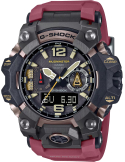
This flagship model also comes in striking variations. The Casio G-SHOCK Mudmaster GWG-B1000-1A4ER Watch brings a bold red aesthetic to the tactical lineup, proving that extreme durability does not have to sacrifice design. The red bio-based resin band is highly visible, which is a practical safety feature in search and rescue operations, allowing the wearer to be easily spotted in dense foliage or low-light conditions.
If you prefer the high-tech aesthetic and lightweight strength of carbon fibre, the Casio G-SHOCK Mudmaster GWG-2000-1A1ER Watch is a phenomenal choice. Featuring a forged carbon bezel and a slimmer profile than its predecessors, it offers extreme durability without overwhelming the wrist. The integration of Alpha Gel around the module ensures that high-frequency vibrations from heavy machinery or off-road vehicles do not disrupt the quartz oscillator.
For enthusiasts seeking a robust entry into the mud-resistant lineup, the Casio G-SHOCK Mudmaster GWG-100-1A3ER Watch delivers core toughness with Radio-controlled timekeeping and solar power, wrapped in a classic, aggressive resin armour. Each of these models represents the zenith of durable watchmaking, designed to survive conditions that would destroy a traditional mechanical timepiece in seconds.
Conclusion: Gear Up for Your Next Adventure
Maintaining a high-performance tool watch is a testament to your respect for precision engineering. By understanding the intricacies of the Carbon Core Guard, respecting the chemical vulnerabilities of the resin, and properly caring for the gaskets and sensors, you ensure that your timepiece remains an unbreakable asset in the field. A well-maintained watch is more than just a timekeeper; it is a reliable instrument that can aid in navigation, weather prediction, and survival.
Whether you are meticulously cleaning the forged carbon bezel of your Casio G-SHOCK Mudmaster GWG-2000-1A1ER Watch or calibrating the compass on the flagship Casio G-SHOCK Mudmaster GWG-B1000-1AER Watch, the effort you put into maintenance pays dividends in longevity and performance. Do not let neglect compromise your gear.
If you are ready to experience the pinnacle of tactical horology, or if you are looking to add another indestructible piece to your collection, we invite you to explore our curated selection. Discover the full range of these extraordinary instruments in the G-Shock PRO collection at WatchExclusive, and equip yourself with a timepiece that is truly built for the extremes.
References
- Casio Computer Co., Ltd. Master of G - Land - Mudmaster GWG-1000 Technology. Official G-Shock Archive.
- Weppelink, Jorg. Hands-On: The G-Shock Master Of G Mudmaster GWG-B1000 Is Nothing Short Of Impressive. Fratello Watches, March 2024.
- Casio Computer Co., Ltd. Watch Operation Guide 3506. Official Casio Support Database.
Share this content