Shopping Cart



How to Prepare Your Watch for Summer Adventures | Expert Guide
By :
F. Nagy -
Categories :
Interesting Watch Facts
, Watch Care & Technical Guides
Table of contents
keyboard_arrow_down
- Key Takeaways
- Understanding Water Resistance: The First Line of Defense
- The Anatomy of a Seal: O-Ring Gaskets
- Decoding ATM and Meter Ratings
- The Pre-Summer Pressure Test
- Securing the Hatch: Crowns and Pushers
- The Screw-Down Crown Protocol
- The Danger of Chronograph Pushers
- Strap Selection: Ditching the Leather
- The Perils of Leather
- The Superiority of FKM Rubber
- The Fail-Safe NATO Strap
- Metal Bracelets and Wrist Swelling
- The Post-Adventure Clean: Defeating Salt and Sand
- The Threat of Crevice Corrosion
- The Freshwater Rinse Protocol
- Invisible Threats: Thermal Shock and Magnetism
- The Dangers of Thermal Shock
- Magnetism on the Move
- Chemical Warfare: Sunscreen and Bug Spray
- When to Leave the Mechanical Watch Behind
- The Role of the "Beater" Watch
- Conclusion: Gear Up at WatchExclusive
- References
Key Takeaways
- Verify Water Resistance: Never assume your watch is still water-resistant. Rubber O-ring gaskets degrade over time. Have a certified watchmaker perform a dry pressure test before your first swim of the season.
- Secure the Crown: The screw-down crown is the most vulnerable point of water ingress. Always ensure it is fully threaded before submersion, but avoid overtightening, which can crush the internal seals.
- Swap the Strap: Leather straps will rot and degrade rapidly when exposed to sweat and saltwater. Swap to a waterproof FKM rubber strap, a stainless steel bracelet with micro-adjustments, or a fail-safe nylon NATO strap.
- Beware of Thermal Shock: Transitioning rapidly from baking in the hot sun to plunging into freezing water can cause the metal case to contract rapidly, potentially compromising the gaskets and causing internal condensation.
- The Freshwater Rinse: Saltwater causes crevice corrosion, and fine silica sand can seize a rotating bezel. Always soak and rinse your watch in warm freshwater immediately after a day at the beach.
Summer is the ultimate proving ground for a wristwatch. While the winter months see our timepieces safely tucked away beneath heavy wool coats and tailored cuffs, summer exposes them to the harsh, unforgiving elements of the natural world. From the corrosive bite of oceanic saltwater and the abrasive friction of beach sand, to the intense UV radiation of the midday sun and the sudden impacts of outdoor sports, the season demands absolute mechanical resilience.
For the modern watch enthusiast, strapping a luxury mechanical timepiece to the wrist before diving into the Aegean Sea or hiking a rugged alpine trail is a deeply romantic notion. It fulfills the "Go Anywhere, Do Anything" (GADA) philosophy that drives the sports watch industry. However, a dangerous misconception plagues many collectors: the belief that because a watch is built from solid steel and costs thousands of euros, it is invincible.
The reality is that a watch is a highly sensitive micro-machine containing hundreds of delicate, interacting components. Its ability to survive the summer depends entirely on the preparation and maintenance routine of its owner. Whether you are wearing a rugged Japanese dive watch or a high-end Swiss chronograph, failing to prepare your timepiece for the elements can result in catastrophic water damage, magnetized hairsprings, or a lost watch at the bottom of a lake.
This comprehensive guide delves deep into the physics of water resistance, the chemistry of strap degradation, and the essential maintenance protocols required to keep your watch ticking flawlessly through every summer adventure.
Understanding Water Resistance: The First Line of Defense
The most critical factor in preparing your watch for summer is understanding its relationship with water. The term "waterproof" was banned by the International Organization for Standardization (ISO) decades ago because it implies an absolute, permanent state. In reality, watches are rated for water resistance, and this resistance is a temporary, degrading condition.
The Anatomy of a Seal: O-Ring Gaskets
Your watch keeps water out using a series of microscopic rubber seals known as O-ring gaskets. These gaskets are typically made from synthetic rubbers like Nitrile or Viton, and they are placed at the most vulnerable points of the watch case: inside the crown tube, beneath the caseback, and around the perimeter of the crystal.
When the watch is submerged, the external water pressure compresses the case slightly, squeezing these rubber gaskets to form a hermetic seal. However, rubber is an organic compound. Over time, exposure to UV light, ambient heat, chlorine, and simple chronological aging will cause these gaskets to dry out, flatten, and crack. When a gasket fails, water breaches the case. Even a single drop of saltwater inside a mechanical movement will begin rusting the steel pinions and the delicate escapement within 24 hours.
Decoding ATM and Meter Ratings
Before taking your watch into the water, you must understand what the text on the dial actually means. Water resistance ratings are notoriously misleading.
- 30m / 3 ATM: Splash-resistant only. Suitable for washing hands or getting caught in light rain. Do not submerge.
- 50m / 5 ATM: Suitable for brief, shallow submersion, such as a quick dip in a calm pool. Not recommended for active swimming.
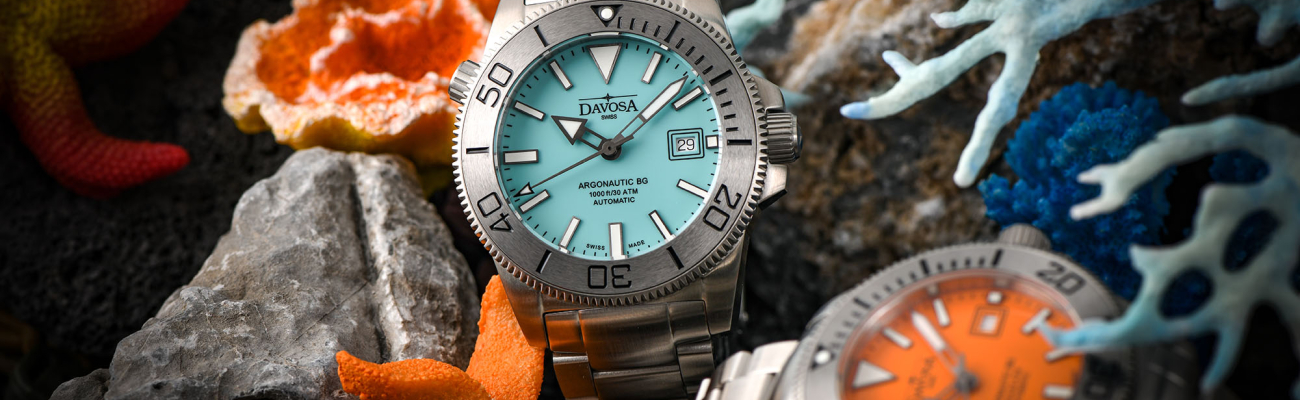
- 100m / 10 ATM: The golden standard for a daily wearer. Fully capable of handling surface swimming, snorkeling, and heavy downpours.
- 200m / 20 ATM (and above): Professional-grade. Suitable for high-impact water sports (like surfing or wakeboarding) and recreational scuba diving.
As noted by horological experts at Fratello Watches, unless a watch is specifically certified under the rigorous ISO 6425 standard for dive watches (which requires every single watch to be tested to 125% of its rated depth), the meter rating is merely a theoretical guideline based on static laboratory pressure, not the dynamic pressure of a human swimming.
The Pre-Summer Pressure Test
Never assume your watch is still water-resistant just because it was when you bought it three years ago. Before the summer season begins, take your watch to a certified watchmaker for a dry pressure test.
During this test, the watch is placed in a sealed chamber and subjected to air pressure. Highly sensitive lasers measure the microscopic deformation of the watch case. If the case deforms and holds its shape, the seals are intact. If air leaks into the case, the deformation drops, indicating a failed gasket. This test takes five minutes, costs very little, and provides absolute peace of mind before you jump into the ocean.
Securing the Hatch: Crowns and Pushers
Even with perfect gaskets, human error is the leading cause of flooded watches. The winding crown is the only part of the watch's internal mechanism that directly interacts with the outside world.
The Screw-Down Crown Protocol
If your watch features a screw-down crown, you must physically verify that it is threaded completely flush against the case before entering the water. Never assume it is tight; check it with your fingers.
However, a word of caution: do not overtighten the crown using excessive force. Overtightening can crush the internal O-ring gasket, permanently deforming it and actually compromising the water resistance. Furthermore, forcing the crown can lead to cross-threading, which requires an expensive replacement of the entire crown tube.
The Danger of Chronograph Pushers
If you are wearing a chronograph (a watch with a stopwatch function), you must exercise extreme caution. Unless your watch specifically features screw-down pushers (like the Rolex Daytona) or utilizes specialized magnetic pusher technology, you should never actuate the chronograph pushers while the watch is submerged or even wet.
Pressing a standard pusher underwater breaks the gasket seal for a fraction of a second. As the pusher returns to its resting position, it acts like a vacuum syringe, sucking water directly into the movement. If you need to time a dive or a swim, rely on a unidirectional rotating bezel, not a chronograph.
Strap Selection: Ditching the Leather
Preparing your watch for summer is not just about the case; it is about how the watch is secured to your wrist. The strap you wore all winter is likely entirely inappropriate for a July heatwave.
The Perils of Leather
Leather is essentially skin, and like human skin, it absorbs moisture. When exposed to the heavy sweat of a summer day, high humidity, or saltwater, a premium calfskin or alligator strap will absorb the liquid. This leads to rapid bacterial growth, foul odors, and the eventual rotting and cracking of the leather. Wearing a leather strap to the beach is the fastest way to destroy it. Store your leather straps in a cool, dry place until autumn returns.
The Superiority of FKM Rubber
For aquatic adventures, rubber is king. However, not all rubber is created equal. Cheap silicone straps attract dust, lint, and can become brittle over time. Standard polyurethane can suffer from hydrolysis (breaking down when exposed to water and heat).
The modern enthusiast should seek out straps made from FKM (Fluoroelastomer) rubber or genuine vulcanized rubber. FKM is an aerospace-grade synthetic rubber that is highly resistant to UV rays, extreme heat, and harsh chemicals (like chlorine and sunscreen). It remains incredibly supple and comfortable on the wrist, making it the ultimate summer strap material.
The Fail-Safe NATO Strap
If you are engaging in high-impact activities—such as surfing, mountain biking, or cliff jumping—the NATO strap is your best insurance policy. Originally developed by the British Ministry of Defence in the 1970s, the NATO strap is a single, long piece of woven nylon that passes behind the watch case and through both spring bars.
The genius of the NATO design lies in its redundancy. In a standard two-piece strap or metal bracelet, if one spring bar fails under the stress of a heavy impact, the watch will immediately fall off your wrist and sink to the bottom of the ocean. With a NATO strap, if one spring bar breaks, the watch case will remain securely attached to the strap via the surviving spring bar, saving your timepiece from a watery grave.
Metal Bracelets and Wrist Swelling
Stainless steel and titanium bracelets are excellent for summer, as they are impervious to sweat and water. However, human anatomy presents a challenge: in extreme heat, your wrist will swell as your blood vessels expand to dissipate body heat. A bracelet that fit perfectly in an air-conditioned room will suddenly feel like a tourniquet on the beach.
If you prefer a metal bracelet, ensure it features an on-the-fly micro-adjustment clasp. This allows you to extend the length of the bracelet by a few millimeters without the need for tools, ensuring perfect ergonomic comfort as your wrist expands and contracts throughout the day.
The Post-Adventure Clean: Defeating Salt and Sand
The moment you step off the beach or climb out of the pool, the clock starts ticking. The elements you just enjoyed are actively trying to destroy your watch.
The Threat of Crevice Corrosion
Saltwater is one of the most corrosive natural substances on Earth. When saltwater evaporates on your watch, it leaves behind microscopic, razor-sharp salt crystals. If these crystals form inside the narrow gaps of your bezel or between the links of your stainless steel bracelet, they act like sandpaper, grinding away at the metal every time the parts move.
Furthermore, prolonged exposure to stagnant saltwater in oxygen-deprived areas (like the threads of a caseback) can lead to crevice corrosion. This is a localized chemical process that can eat away at even high-grade 316L stainless steel, causing pitting and eventual gasket failure.
The Freshwater Rinse Protocol
To prevent this, you must perform a freshwater rinse immediately after exposure to the ocean or a chlorinated pool.
- Soak: Submerge the watch in a bowl of clean, warm (not hot) freshwater for 10 to 15 minutes. This dissolves the hidden salt crystals and chlorine residue.
- Rotate: While submerged in the freshwater, rotate the unidirectional bezel several times. This flushes out any trapped silica sand, silt, or salt from the bezel spring mechanism, preventing it from seizing up.
- Brush: Use a soft-bristled toothbrush and a drop of mild, non-abrasive dish soap to gently scrub the caseback, the crown threads, and the articulating links of the metal bracelet.
- Dry: Rinse thoroughly with clean water and dry the watch completely with a microfiber cloth to prevent hard water spots from forming on the sapphire crystal.
Invisible Threats: Thermal Shock and Magnetism
Summer adventures expose watches to invisible forces that can be just as destructive as water and sand.
The Dangers of Thermal Shock
Imagine lying on a beach towel in the Mediterranean sun for two hours. The steel case of your watch absorbs the heat, potentially reaching temperatures exceeding 40°C (104°F). Suddenly, you dive into the freezing ocean water.
This rapid, extreme temperature change causes thermal shock. The metal case contracts violently and rapidly. This sudden contraction can temporarily warp the case geometry, potentially compromising the rubber gaskets for a fraction of a second and allowing moisture to enter. Furthermore, if there is any ambient humidity trapped inside the watch case from the factory, the sudden drop in temperature will cause that moisture to condense against the cold sapphire crystal.
If you ever see fog or condensation form on the inside of your watch glass, it is a horological emergency. Pull the crown out to stop the movement and take it to a watchmaker immediately. To avoid thermal shock, try to keep your watch shaded when sunbathing, or take it off before plunging into icy water.
Magnetism on the Move
Summer is the season of travel, which means navigating airports. We live in a world surrounded by magnetic fields: TSA security scanners, the magnetic clasps on iPad cases, and the heavy speakers at outdoor music festivals.
If the delicate steel hairspring inside your mechanical watch becomes magnetized, the coils will stick together. This effectively shortens the spring, causing the watch to run erratically fast (often gaining several minutes a day). If you notice your highly accurate watch suddenly speeding up after a flight, it is likely magnetized.
Fortunately, this is not permanent damage. A watchmaker can fix this in less than five minutes using a demagnetizer, which subjects the watch to an alternating magnetic field to neutralize the charge. To prevent this, avoid resting your watch directly on top of electronic devices or magnetic bag closures during your travels.
Chemical Warfare: Sunscreen and Bug Spray
When preparing for the outdoors, we slather ourselves in chemicals to protect our skin. However, these same chemicals can be highly destructive to a wristwatch.
Many bug sprays contain DEET, a highly effective insect repellent that is also a potent solvent. DEET can literally melt certain types of plastics, acrylic watch crystals (like Hesalite), and the resin cases of digital sports watches. Furthermore, the aerosol propellants in spray-on sunscreens can degrade the anti-reflective (AR) coating applied to the outside of sapphire crystals, leaving them looking cloudy and permanently smudged.
When applying sunscreen or bug spray, take your watch off. Allow the chemicals to dry completely on your skin before strapping the timepiece back onto your wrist.
When to Leave the Mechanical Watch Behind
Part of being a responsible watch collector is knowing when a luxury mechanical timepiece is simply the wrong tool for the job. While a modern dive watch is incredibly robust, it is still a machine governed by the laws of physics. The intense, high-frequency vibrations of riding a dirt bike over a rocky trail, the sudden, violent impact of a golf club striking a ball, or the shock of chopping wood can severely damage the delicate pivots of a mechanical balance wheel.
The Role of the "Beater" Watch
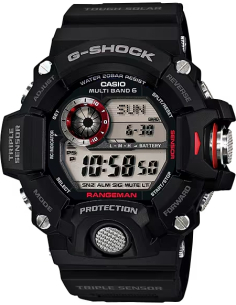
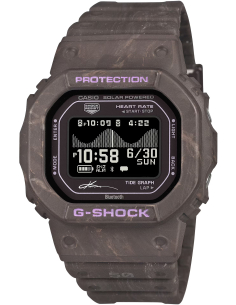
For these extreme scenarios, every collector needs a dedicated "beater" watch. This is where Japanese engineering reigns supreme. A Casio G-SHOCK (with its hollow-core shock-resistant structure) or a Citizen Promaster Eco-Drive (with its shock-proof, solar-powered quartz movement) are the ultimate summer survival tools.
These watches are designed to absorb catastrophic impacts, they are impervious to magnetism, and they offer absolute, worry-free utility. By swapping to a high-end quartz or digital tool watch for your most extreme activities, you preserve the integrity of your luxury mechanical pieces for the evening dinner reservations.
Conclusion: Gear Up at WatchExclusive
Summer is a season of freedom, exploration, and pushing boundaries. Your wristwatch should be a faithful companion on these journeys, not a source of anxiety. By understanding the limits of water resistance, choosing the correct strap materials, and committing to a rigorous post-adventure cleaning routine, you ensure that your timepiece will survive the heat, the salt, and the sand.
Preparation is the ultimate luxury. A well-maintained watch is a reliable watch, ready to record the memories of your greatest summer adventures and live to tell the tale for generations to come.
If your current daily wearer isn't up to the task, or if you are looking to add a dedicated, indestructible tool watch to your summer rotation, we invite you to explore the curated collections at WatchExclusive. From ISO-certified professional dive watches and lightweight titanium chronographs to the ultimate shock-resistant tactical gear, we have the perfect timepiece to match your active lifestyle. Equip yourself with the best, respect the elements, and make this summer unforgettable. Discover your next adventure companion at Watch Exclusive today.
References
- American Watchmakers-Clockmakers Institute (AWCI). (2023). Standards and Practices for Watchmakers: Water Resistance Testing. Retrieved from AWCI.
- Broer, R. (2024). Why You Need a NATO Strap for Summer. Fratello Watches. Retrieved from Fratello Watches.
- Forster, J. (2022). The Physics of Water Resistance and Why You Shouldn't Shower With Your Watch. Hodinkee. Retrieved from Hodinkee.
- International Organization for Standardization. (2018). ISO 6425:2018(en), Horology — Divers' watches. Retrieved from ISO.
- Worn & Wound. (2023). The Ultimate Guide to Watch Straps: FKM Rubber vs. Silicone. Retrieved from Worn & Wound.
Share this content