

Shopping Cart



The Death of the Standard Battery: The Market Shift Toward Solar and Hybrid Tech
By :
F. Nagy -
Categories :
Industry News & Market Trends
, Interesting Watch Facts
, Watch Care & Technical Guides
Table of contents
keyboard_arrow_down
- Key Takeaways
- The Environmental and Practical Flaws of Standard Quartz
- The Toxic Legacy of Silver-Oxide Batteries
- The Compromised Water Resistance Dilemma
- The Solar Revolution: Infinite Power on the Wrist
- Citizen Eco-Drive: The Undisputed King of Light
- Casio Tough Solar and Seiko Solar
- Hybrid Technology: The Best of Both Worlds
- Mecha-Quartz: The Enthusiast's Compromise
- The Rise of the Microbrand Chronograph
- Connected Hybrids: The "Stealth Smartwatch" Revolution
- Bluetooth® Smartphone Link Technology
- Eliminating the Daily Charge Anxiety
- The Sub-€1000 Market: The Epicenter of Innovation
- The Value Proposition vs. Swiss Mechanicals
- Reallocating Budget to Premium Materials
- The Total Cost of Ownership (TCO)
- The Ultimate GADA (Go Anywhere, Do Anything) Timepieces
- The Future of Autonomous Timekeeping
- Elevate Your Collection at WatchExclusive
- References
Key Takeaways
- The End of Disposable Power: The modern watch collector is actively rejecting standard quartz movements due to the environmental impact of battery waste and the inconvenience of routine maintenance, driving a massive surge in autonomous power technologies.
- Solar Supremacy: Technologies like Citizen Eco-Drive and Casio Tough Solar have evolved to convert even the dimmest artificial light into decades of reliable energy, utilizing advanced titanium lithium-ion secondary cells that rarely require replacement.
- The Mecha-Quartz Compromise: Hybrid movements, specifically the Seiko TMI VK series, have revolutionized the accessible chronograph market by combining the absolute accuracy of a quartz timekeeping oscillator with the crisp, tactile engagement and instant snap-back reset of a mechanical stopwatch module.
- Connected Hybrids: Brands are successfully merging traditional analog aesthetics with low-energy Bluetooth® Smartphone Link technology, creating "stealth smartwatches" that offer atomic accuracy and global time syncing without the anxiety of daily charging.
- The Sub-€1000 Sweet Spot: This price bracket has become the ultimate testing ground for horological innovation, offering consumers the premium finishing and robust materials (like sapphire crystals and titanium cases) of luxury watches, powered by zero-maintenance, high-tech engines.
For decades, the hierarchy of the luxury watch market was rigidly defined and rarely questioned. At the absolute pinnacle sat the mechanical watch—a romantic, spring-powered marvel of micro-engineering that required expensive, routine servicing and a tolerance for slight daily inaccuracies. At the bottom sat the standard quartz watch—a highly accurate, mass-produced electronic device that required a new silver-oxide battery every two to three years. For the consumer shopping in the accessible luxury category, the choice was a frustrating compromise: pay a premium for the soul of a mechanical movement, or settle for the disposable, utilitarian nature of standard quartz.
However, as we navigate the horological landscape of 2026, this binary choice has been completely obliterated. A quiet but unstoppable revolution has taken place within the watch industry. Driven by rapid advancements in material science, energy storage, and micro-mechanics, a new breed of timepieces has emerged to dominate the wrists of educated collectors and everyday wearers alike. We have officially entered the golden age of solar-powered and hybrid watch technology, signaling the inevitable death of the standard disposable watch battery.
These advanced calibers offer the ultimate horological holy grail: the aesthetic beauty and tactile engagement of traditional watchmaking, combined with the absolute precision and zero-maintenance autonomy of modern electronics. This comprehensive guide delves deep into the physics of photovoltaic dials, the mechanical brilliance of mecha-quartz chronographs, the rise of the connected analog watch, and why the market is currently experiencing its most exciting and innovative shift since the Quartz Crisis of the 1970s.
The Environmental and Practical Flaws of Standard Quartz
To understand why solar and hybrid technologies are experiencing such explosive growth, one must first examine the inherent flaws of the traditional battery-powered quartz watch. While the invention of the quartz oscillator in 1969 democratized accurate timekeeping, it introduced a massive logistical and environmental burden that the modern consumer is no longer willing to accept.
The Toxic Legacy of Silver-Oxide Batteries
A standard quartz watch is powered by a small, disposable button cell, typically made of silver-oxide or lithium. These batteries have an average lifespan of 24 to 36 months. When you consider that hundreds of millions of quartz watches are produced globally every year, the environmental math becomes staggering. Millions of dead watch batteries end up in landfills annually. If not properly recycled, these cells can leach heavy metals and toxic chemicals into the soil and groundwater.
The modern consumer of 2026 is highly eco-conscious. The idea of purchasing a luxury item that generates recurring toxic waste is increasingly unappealing. Brands that offer sustainable, lifetime power solutions are capturing this environmentally aware demographic with incredible success. The shift away from disposable batteries is not just a matter of convenience; it is a matter of corporate and consumer responsibility.
The Compromised Water Resistance Dilemma
Beyond the environmental impact, standard batteries present a severe mechanical liability, particularly for sports and dive watches. Every time a watch battery dies, the caseback must be opened. This process breaks the factory-sealed hermetic barrier.
The water resistance of a watch relies entirely on microscopic rubber O-ring gaskets. When a mall kiosk or an untrained jeweler opens a watch to swap a €5 battery, they rarely replace or properly lubricate these gaskets. Furthermore, they almost never perform a dry-pressure test to verify the seal after closing the case. Consequently, a watch that was originally rated for 200 meters of water resistance is suddenly vulnerable to a splash from a bathroom sink. For a true tool watch, relying on a disposable battery is a fundamental engineering flaw that compromises the integrity of the entire instrument.
The Solar Revolution: Infinite Power on the Wrist
The ultimate solution to the battery dilemma is to harness the most abundant energy source in the solar system: light. While solar watches have existed since the 1970s, the technology has evolved from a clunky, visually intrusive novelty into a highly sophisticated, invisible powerhouse.
Citizen Eco-Drive: The Undisputed King of Light
When discussing solar horology, the conversation must begin with Citizen. In 1976, Citizen unveiled the Crystron Solar Cell, the world's first light-powered analog quartz watch. Over the past half-century, they have refined this technology into the legendary Eco-Drive system, which now powers the vast majority of their catalog.
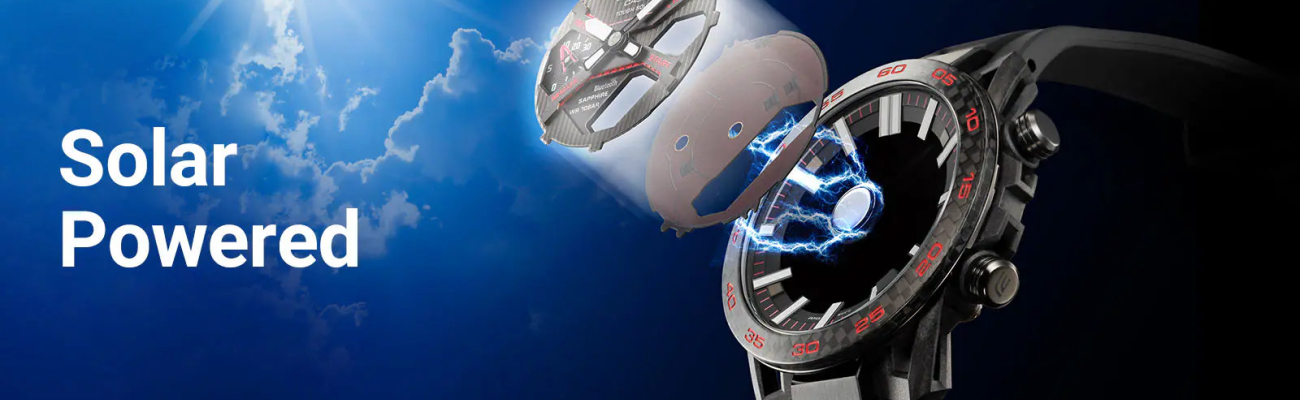
The genius of modern Eco-Drive lies in its invisibility. Early solar watches featured ugly, highly visible purple photovoltaic panels on the dial, which ruined the aesthetic appeal of the timepiece. Today, Citizen utilizes highly translucent dial materials or microscopic solar rings hidden beneath the chapter ring. These panels are so incredibly efficient that they can absorb and convert not just direct sunlight, but the dim, ambient light of a fluorescent office bulb or a bedside lamp.
This electrical energy is channeled into a specialized titanium lithium-ion secondary battery. Unlike a standard capacitor, this power cell does not suffer from the "memory effect" and rarely degrades. On a full charge, a standard Eco-Drive caliber (such as the E168 used in the Promaster Dive series) can run in total, pitch-black darkness for an astonishing six months. Advanced models feature power-saving modes where the analog hands physically stop moving in the dark to conserve energy, instantly snapping back to the correct time the moment they are exposed to light.
As noted by horological experts at Hodinkee, the pinnacle of this technology is the Citizen Caliber 0100, an Eco-Drive movement that achieves an unprecedented accuracy of ±1 second per year, proving that solar technology can compete at the absolute highest echelons of precision timekeeping.
Casio Tough Solar and Seiko Solar
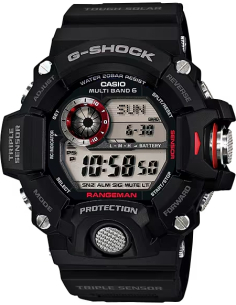
Citizen is not alone in this arena. Casio's Tough Solar technology is the backbone of their premium G-SHOCK and Edifice lines. Casio pairs their solar panels with highly demanding complications, proving that light energy is sufficient to power power-hungry features like Triple Sensors (altimeter, barometer, compass), radio-controlled atomic time syncing (Multi-Band 6), and high-brightness LED Super Illuminators.
Seiko, similarly, utilizes their proprietary solar technology across their Prospex line. By integrating solar calibers into their legendary dive watch architectures (like the "Tuna" and the "Arnie"), Seiko offers professional maritime operators a zero-maintenance timing instrument that never requires a case-opening, ensuring the ISO 6425 water resistance seals remain perfectly intact for decades.
Hybrid Technology: The Best of Both Worlds
While solar technology solves the power issue, it does not address the tactile desires of the traditional watch enthusiast. Many collectors despise the rigid, one-tick-per-second motion of a standard quartz seconds hand, and they loathe the "mushy" feel of electronic chronograph pushers. They want the soul of a mechanical watch. The industry's answer to this is the hybrid movement.
Mecha-Quartz: The Enthusiast's Compromise
The most significant disruptor in the accessible chronograph market is the mecha-quartz movement. Originally pioneered by Jaeger-LeCoultre and Frédéric Piguet in the late 1980s, the technology has been perfected and mass-produced for the modern era by Seiko Instruments Inc. (SII), specifically with their highly celebrated VK series (such as the VK63, VK64, and VK68).
A mecha-quartz caliber is a literal hybrid of two distinct horological technologies housed within a single movement plate. The primary timekeeping function (the hours and minutes) is driven by a standard, battery-powered quartz oscillator and a stepper motor. This guarantees an exceptional accuracy of ±20 seconds per month, far exceeding the precision of a fully mechanical automatic chronograph.
However, the chronograph (stopwatch) module is entirely mechanical. It utilizes a complex system of traditional gears, levers, and a mechanical heart cam. When you press the top pusher to start the chronograph, you do not feel an electronic button; you feel the crisp, heavy, tactile "click" of metal levers engaging. The central chronograph seconds hand does not tick once per second; it sweeps smoothly across the dial at five ticks per second (5Hz), perfectly mimicking the visual sweep of a high-end mechanical caliber.
Most importantly, when you press the bottom pusher to reset the timer, the hands do not slowly motor back to the 12 o'clock position. The mechanical heart cam instantly snaps the hands back to zero with a satisfying, violent precision. By utilizing mecha-quartz, independent brands and microbrands can offer the luxurious, tactile experience of a €5,000 Swiss mechanical chronograph for under €500.
The Rise of the Microbrand Chronograph
The availability of the Seiko VK series has fueled a massive renaissance in vintage-inspired chronographs. Brands like Furlan Marri, Dan Henry, and Baltic have utilized these hybrid movements to recreate the stunning, highly complex chronographs of the 1930s and 1940s. By using mecha-quartz, they can offer multi-scale dials (featuring tachymeters, telemeters, and pulsometers), domed crystals, and exquisite case finishing without the prohibitive cost of a mechanical chronograph movement. These watches provide the exact visual and tactile experience of a vintage Patek Philippe or Omega chronograph, but with modern reliability and an accessible price tag.
Connected Hybrids: The "Stealth Smartwatch" Revolution
The other major hybrid trend dominating the accessible luxury market is the integration of smart technology into traditional analog architectures. The modern consumer wants the utility of a smartwatch but is increasingly suffering from "screen fatigue." They despise the aesthetic of a blank black screen on their wrist and the constant barrage of intrusive notifications.
Bluetooth® Smartphone Link Technology
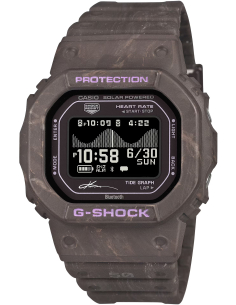
Brands like Casio (with their Edifice and premium G-SHOCK lines) have mastered the Bluetooth® Smartphone Link hybrid. These watches feature beautifully finished, multi-layered analog dials with physical hands and applied indices. However, hidden beneath the dial is a low-energy Bluetooth module.
By pairing the watch with a dedicated smartphone app, the timepiece gains incredible utility without sacrificing its classic aesthetic. The watch automatically syncs to internet time servers up to four times a day, ensuring atomic-level accuracy. As the wearer travels across the globe, the analog hands automatically spin to adjust to the new local time zone. The wearer can program alarms, set countdown timers, and even trigger a "Phone Finder" alarm from the watch itself.
Eliminating the Daily Charge Anxiety
The greatest flaw of the modern smartwatch (like the Apple Watch) is the battery life. Having to plug your watch into a wall every single night is a massive inconvenience. Because these connected analog hybrids are almost exclusively powered by solar technology, they completely eliminate daily charging anxiety. They offer the perfect balance: the background utility of a connected device, the infinite power of the sun, and the timeless beauty of an analog dial.
The Sub-€1000 Market: The Epicenter of Innovation
One might wonder why these advanced solar and hybrid technologies are so heavily concentrated in the sub-€1000 price bracket, rather than in the ultra-luxury segment. The answer lies in consumer psychology, total cost of ownership, and market positioning.
The Value Proposition vs. Swiss Mechanicals
When a watch collector spends over €3,000, they are typically paying for heritage, brand prestige, and the romanticism of a fully mechanical Swiss caliber (such as an in-house movement or a highly decorated ETA/Sellita). At that price point, the inefficiency and maintenance costs of a mechanical watch are accepted as part of the luxury experience.
However, in the sub-€1000 category, consumers are ruthlessly pragmatic. They demand maximum value, exceptional build quality, and everyday utility. If a brand offers a basic, entry-level mechanical movement in this price range, it will likely suffer from poor accuracy (often deviating by ±15 seconds a day) and lack complex complications. By utilizing solar or mecha-quartz engines, brands can redirect their manufacturing budget away from the movement and invest heavily in the exterior of the watch.
Reallocating Budget to Premium Materials
This economic shift is why sub-€1000 solar and hybrid watches often feature specifications that rival luxury pieces. Because the movement is cost-effective and reliable, the brand can afford to upgrade the materials. You will frequently find sapphire crystals with multiple layers of anti-reflective (AR) coating, cases forged from aerospace-grade titanium or proprietary hardened steel (like Citizen's Super Titanium), and dials featuring intricate, three-dimensional textures.
According to industry analysts at Fratello Watches, this reallocation of budget has created a golden age for the consumer, where the exterior finishing of a €500 watch today rivals the finishing of a €2,000 watch from a decade ago.
The Total Cost of Ownership (TCO)
The pragmatic collector also considers the Total Cost of Ownership over a 10 to 20-year period. A mechanical watch requires a full service every 5 years, which can easily cost €200 to €500 per service. A standard quartz watch requires a battery change and pressure test every 3 years, costing roughly €50 each time. A solar or mecha-quartz watch requires virtually zero maintenance. Over a 20-year lifespan, the hybrid or solar watch saves the owner hundreds, if not thousands, of euros in maintenance costs, making it the ultimate long-term investment.
The Ultimate GADA (Go Anywhere, Do Anything) Timepieces
The modern enthusiast is obsessed with the concept of the GADA watch—a single timepiece that can seamlessly transition from a formal office environment to a rugged weekend hiking trip. Solar and hybrid watches are the ultimate GADA instruments.
Because they lack the delicate, shock-sensitive hairsprings of mechanical watches, they can survive intense physical activity, mountain biking, and heavy vibrations without skipping a beat. Because they do not require battery changes, their water-resistance seals remain uncompromised, making them perfect for swimming and diving. And because they are housed in beautifully finished, classically proportioned cases, they look perfectly at home under a tailored shirt cuff.
The Future of Autonomous Timekeeping
As we look toward the future of horology, it is clear that the standard, disposable-battery quartz watch is living on borrowed time. The environmental imperatives of the 21st century, combined with the relentless demand for better, more engaging consumer experiences, have rendered the basic button cell obsolete in the enthusiast space.
Solar technology will continue to become more efficient, eventually allowing for fully transparent dials that hide the photovoltaic cells completely, opening up new avenues for dial design. Mecha-quartz movements will likely evolve to include even more complex mechanical modules, perhaps integrating flyback functions or mechanical split-seconds (rattrapante) capabilities at a fraction of their current cost.
The sub-€1000 market is no longer a place of compromise; it is the bleeding edge of practical horological innovation. It is a space where traditional aesthetics and futuristic engineering coexist in perfect harmony.
Elevate Your Collection at WatchExclusive
The era of choosing between mechanical romance and electronic reliability is over. Today's solar and hybrid timepieces offer a zero-maintenance, highly accurate, and environmentally sustainable approach to luxury watchmaking. They are built to survive the extremes of the natural world while offering the refined elegance required for modern professional life.
Whether you are drawn to the infinite, light-powered autonomy of a Citizen Eco-Drive, the rugged, Bluetooth-connected brilliance of a Casio Edifice, or the crisp, mechanical tactile feedback of a mecha-quartz chronograph, the perfect hybrid timepiece is waiting for you.
At WatchExclusive, we are passionate about the intersection of technology and traditional horology. We meticulously curate our collection to feature the finest solar and hybrid watches from the world's most respected brands. We invite you to explore our extensive portfolio, discover the flawless finishing and advanced mechanics of these modern marvels, and secure a timepiece that will run flawlessly for decades to come. Step beyond the battery and find your ultimate daily wearer at Watch Exclusive today.
References
- Citizen Watch Global. (2026). The Philosophy and Technology of Eco-Drive. Retrieved from Citizen Watch Global.
- Forster, J. (2023). In Defense of the Mecha-Quartz Chronograph. Hodinkee. Retrieved from Hodinkee.
- Fratello Watches. (2024). Why Solar Watches Are the Ultimate GADA Timepieces. Retrieved from Fratello Watches.
- G-Central. (2025). Understanding Casio's Tough Solar and Bluetooth Integration. Retrieved from G-Central.
- Worn & Wound. (2022). Chronography 101: The Seiko VK Series Mecha-Quartz. Retrieved from Worn & Wound.
Share this content

