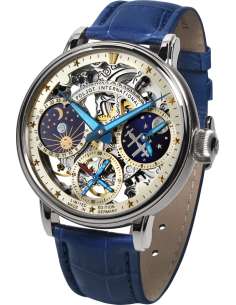
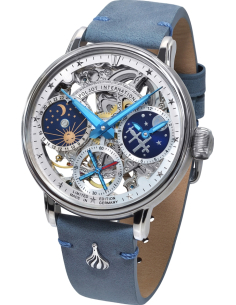
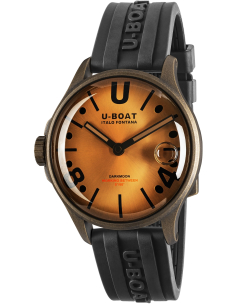
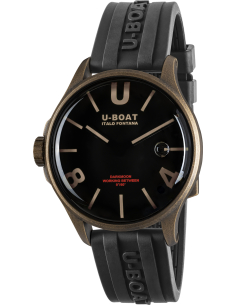
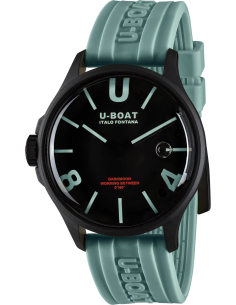
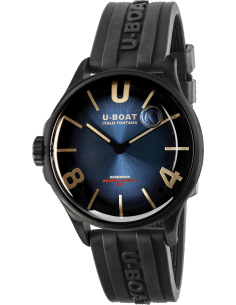
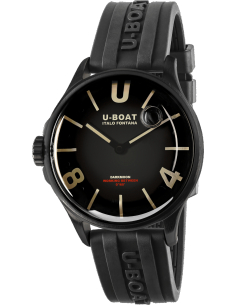
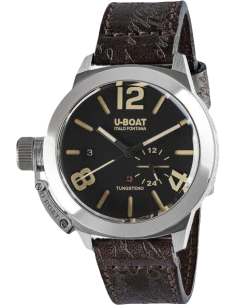
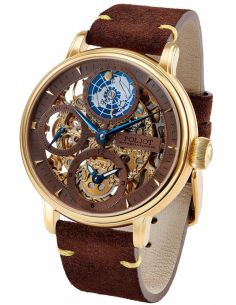
Luxury watches represent the pinnacle of horological engineering, defined by meticulous craftsmanship, proprietary mechanical movements, and high-grade materials like 18k gold or grade 5 titanium. Collectors often prioritize investment grade timepieces that retain value through heritage, limited production runs, and complex complications such as tourbillons or perpetual calendars. Understanding the difference between quartz and automatic movements is essential for buyers seeking long-term reliability and mechanical artistry. These instruments serve as both functional tools and status symbols, reflecting a legacy of precision watchmaking that spans centuries of innovation.
Selecting the right model requires evaluating luxury watch brands for beginners based on brand history, resale liquidity, and serviceability. Prospective owners should research how to spot a fake luxury watch by verifying serial numbers and movement authenticity before purchase. When comparing luxury watch maintenance costs, consider the frequency of professional servicing required to ensure optimal performance. Investing in a high-end timepiece offers a unique blend of aesthetic elegance and technical mastery.